Record therapy sessions: what the law says and how to do it right
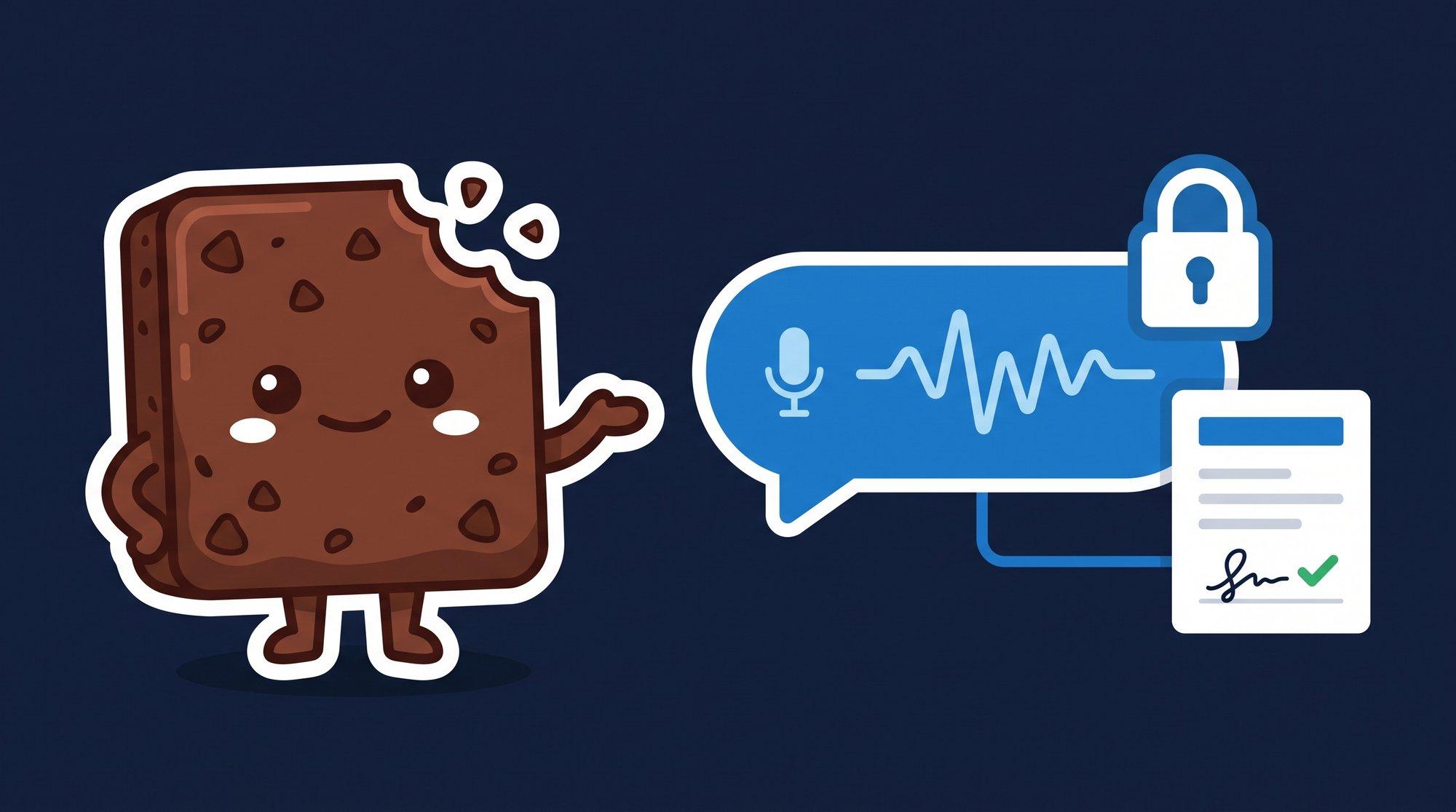
Between supervision, postgraduate training and AI tools that transcribe audio, more and more professionals wonder if they can record therapy sessions. The question comes through different paths: a supervisor who asks to listen to clinical material, or an app that promises to "transcribe the session and arm the note".
The short answer is yes: recording a psychology session is legal. The whole: depends on how. The difference between a legitimate practice and a serious breach of confidentiality is not in the act of recording, but in consent, purpose and storage.
In this article we explain what Argentine law says, what must include consent, where storage usually fails, and an alternative that often solves the root problem: not recording the patient at all.
Is recording a psychology session legal?
Yes, with an unnegotiable condition: the informed, explicit and prior consent of the patient. There is no law prohibiting recording a session in itself. What the law regulates, and quite precisely, is the treatment of the information that that recording contains.
A session recording is not an ordinary audio. It is the voice of an identifiable person telling his privacy: his history, his symptoms, his ties, his fears. Under the 25.326 Law on Protection of Personal Data, that is the treatment of sensitive data, the category with the highest protection of the legal regime. To this are added the professional secret, the right to confidentiality enshrined in the 26.529 Law on the Rights of the Patient, and the reserve obligations of the Code of Ethics of FePRA.
In practice, this means that recording therapy sessions is legal when three conditions are met at once:
- Previous and explicit consent: the patient knows that it is recorded, understands for what and accepts before the recording begins
- Finality determined: the recording has a concrete and stated purpose, it is not recorded "in case of doubt"
- Save safe: file is stored with security measures according to sensitive data and deleted when it fulfilled its function
If any of the three are missing, the legal problem appears.
Recording without warning is not a grey area
It is worth saying bluntly: recording a session without the patient knowing it is a serious violation of confidentiality and the regime of sensitive data, even if the recording "is for you", even if you never share it with anyone, even if you delete it the next day.
The argument of "only for my personal use" does not work, for two reasons. The first is legal: the 25.326 law protects data since they are collected, not only when they are transferred to third parties; recording a person's voice by relating their privacy, without their knowledge, is already a processing of data without consent. The second is clinical: the framing is held in the confidence that what happens in session is protected, and the therapeutic bond rarely survives intact to discover a hidden recording.
Important
The hidden recording does not become acceptable for good intentions. If you need to register a session and you still do not have the patient's consent, the answer is simple: do not record that session. I asked for consent and recorded the following.
Why a session is recorded (and why the purpose legally matters)
Not all recordings are born equal. These are the most frequent legitimate purposes:
Monitoring and training
It is the classic case. Listening to session material with a supervisor allows you to work on what actually happened, not on the edited memory. In postgraduates and residences, recording cases with audio is an established pedagogical tool.
Performance review
Some professionals record to listen: to review their interventions, to detect musks, to evaluate the management of the times. It is a valid purpose, but it requires the same consent as any other.
Support for specific approaches
Certain protocols and techniques include the recording of sessions as part of the device, for example for the patient to hear a slogan or an exercise between sessions. There the recording is part of the treatment and is agreed within the frame.
Transcription for clinical notes
It is the new purpose that the AI brought: to record the session so that a tool transcribes it and generates the note. It is possible, but it is the modality that opens the most risk, because it implies that the patient's voice travels to a processing service. On this we go back down, because there is a better alternative.
Why does it matter to distinguish the purpose? Because Law 25.326 requires that the data be collected for a particular purpose and not be used for different or incompatible purposes. In Creole: You cannot record "for any doubt." A recording made for supervision cannot end up used in a class or in any destination that the patient has not consented to. Each new purpose requires a new consent.
Consent to record: what does it have to say
The general informed consent of the beginning of the treatment does not reach. The recording needs a specific consent, and to be valid it has to report clearly:
- What is recorded: audio, video, spot sessions or all
- For what purpose: supervision, training, review of treatment, transcription
- Who will access: only you, your supervisor, a training space
- Where is stored: on which device or service, with which security measures
- How long a specific period of time or a clear disposal criterion is retained:
- The right to refuse: without affecting treatment or quality of care
- The right to request removal: at any time, without needing to justify the order
This last point deserves emphasis: the patient's refusal cannot condition the attention. If someone does not want to be recorded, the professional response is "perfect, it is not recorded", and the therapy remains exactly the same. A consent obtained under the feeling that refusing brings consequences is not free, and legally worth little.
Note
The consent to record is revocable. That the patient has accepted in March does not require it in August: he may ask that you stop recording and remove the engraving, and that request is fulfilled without discussion.
Storage: the weak link
This is where most good intentions fall. You can have the perfect consent and still generate a huge risk if the recording ends in:
- Personal cell phone, without encryption, on a device that can be lost or stolen
- WhatsApp, forwarded to supervisor "to save time", with automatic copying on Google or Apple backups
- Unencrypted Personal Drive, shared with a link that anyone with the link can open
These are the same problems as always, which we already review in our cybersecurity for clinical practice guide, but aggravated: a leaked session audio is not a appointment sheet, it is a person's voice telling his or her intimacy.
If you're going to keep recordings, the minimum standard you have to require (and require any tool you use) is:
- Custrated: file protected at rest and in transit, not a loose mp3 in a folder
- Restricted access: only persons mentioned by the consent, with actual authentication
- Effective removal: when the purpose was fulfilled or the patient requests it, the file is truly deleted, including backups and forward copies
And a practical rule: the less time the recording lives, the better. You recorded to supervise a case, you supervised it, you eliminated it. Eternal recording "just in case" is exactly what the law does not allow.
What if the patient wants to record the session?
It happens more often than you think: a patient who wants to record to listen again to something that it took him to process, or who directly supports the cell phone on the table and asks if he can.
The patient is entitled to the information of his or her own attention, but the subject has nuances. The session does not contain only his or her voice: it also contains your interventions and your way of working. And a recording that comes out of clinical practice on the patient's cell is out of control: it can be shared or ended in contexts outside the treatment, such as a family or legal conflict.
This does not mean refusing by system, but treating it as a framing decision that is discussed. If you find it clinically valuable for the patient to keep a record, agree explicitly (which is recorded, for what, the commitment not to spread it) and leave the agreement recorded in the medical records. If it seems to you that the recording interferes with therapeutic work, you can also say it and explain why: the framing you define it as a professional.
The alternative that is usually best: not recording the patient, record your summary
Let’s go back to the newest goal: recording the session for an AI to transcribe and arm the note. Before going that way, you should ask yourself what you really need: the full session or your clinical record of the session?
To document, it almost always reaches the second. And there is a way to achieve it without recording the patient: you finish the session and you dictate your own audio of two or three minutes with your observations: what was worked, what appeared, what is pending. That audio is your professional elaboration, it does not expose the patient's voice or his first-person story, and it serves the same for the note. The leap in legal and ethical risk between one thing and the other is enormous.
The Brauni AI works exactly like this. It does not record sessions or listen to the patient: you send him your summary audio, a photo of your paper notes or a short text, and complete the clinical note that you then review and adjust. The voice that is processed is yours, the clinical judgment is yours, and the final decision on what is written also. The tool accelerates the mechanical part of documenting; it does not replace your professional judgment.
Council
If your only reason for recording sessions was to save documentation time, you probably don't need to record any. A summary dictated by you solves the same problem without touching the patient's voice.
Recordings and minors
With children and adolescents, all of the above applies with double care. Consent to record must be given by the legal guardians, and according to the age and maturity of the adolescent it is also necessary to seek their assent: to understand what is recorded and for what, and to agree. Recording a minor "because the parents signed", without the boy knowing what is going on, is bad practice even if the role is in order.
Storage also requires more rigour: the material of minors is especially delicate if it is filtered. In the event of doubt, do not record; and if you record, the minimum period of conservation is indispensable.
Template: consent clause for recording
We leave you a basic model to adapt to your practice. As always, it is a general guide: adjust it with your professional school according to the regulations of your jurisdiction.
Consent to recording of meetings
Professional: Lic. [Name and Surname] - M. P. [professional license number]
Patient: [Name and Surname] - DNI [Number]
1. Object. I authorize the recording in [audio / audio and video] of [sessions indicated in each case / treatment sessions] performed with the above professional.
2. Purpose. The recording shall be made for the sole purpose of [clinical supervision/vocational training/treatment review], and may not be used for any other purpose without express new consent.
3. Access. The recorded material shall be accessed only [the professional/the professional and its supervisor, Lic. (name)], who are reached by the duty of professional secrecy.
4. Storage. Recordings shall be kept in [write: device or service, with encryption and restricted access] and shall not be shared by messaging or unencrypted services.
5. Deadline. The material shall be permanently disposed of after the stated purpose has been fulfilled and, at the latest, at the [period] of the recording.
6. Right to refuse. I understand that I can refuse to record, in whole or in part, without any expression of reason, and that my refusal will in no way affect the treatment or quality of the care received.
7. Revocation and deletion. I may revoke this consent and request the deletion of existing recordings at any time, and that request will be fulfilled without conditions.
Patient's signature: _____________________ Date: ________________
Signature of the professional: _____________________
Frequently Asked Questions
Can I use a recording on supervision?
Yes, if the patient’s consent expressly mentions supervision as a purpose and identifies that a supervisor will access the material. The supervisor is reached by the same reservation duty. Take care of the channel: share the audio via WhatsApp or by an open Drive link disarms all protection. And when supervision ends, remove the file.
How long can I keep a recording?
The law does not set a specific time limit for session recordings; it sets the criterion: the data are retained for the duration of the purpose for which they were collected, and the purpose is eliminated. The most neat is to define a specific time frame for consent and to comply with it. Eye with frequent confusion: recording is not the medical records, and the obligation to preserve the medical records does not oblige you to keep session audios.
What do I do if I record sessions without consent?
First, stop doing it. Second, remove the material effectively, including automatic cloud backups. Third, evaluate the case: you can match it with the patient, and you should consult with your professional college or a legal advisor. Forward, regularize the practice: specific and written consent before re-recording.
Is recording an online session different?
The principle is identical: same consent, same purpose, same secure save. There is an extra risk: the "record meeting" button of the video call platforms usually saves the file on the servers of the provider, under its terms. Before using it, find out where that file is and who can access it; many times it is advisable to avoid it.
Is it reached with the general informed consent of treatment?
No. General consent covers psychological treatment and the routine management of clinical information. Recording is an additional data treatment, with its own risks, and requires specific consent that details purpose, access, storage and time frame. You can incorporate it as a clause within the general document, but differentiated and clear.
Free Brauni test for 30 days, no card
Automatic session notes, digital medical records and more.
Start for freeSummary
- Recording therapy sessions is legal only with informed, explicit and prior consent; recording without notice violates confidentiality and the 25.326 law, even if the recording "is for you"
- The purpose matters: it is recorded for something concrete (supervision, training, clinical support), never "because of doubt", and each new purpose requires a new consent
- Specific consent says what is recorded, for what, who accesses, where is kept and for how long, and guarantees the right to refuse without affecting attention and to ask for elimination at any time
- Storage is the weak link: no unencrypted cell phone, WhatsApp or Open Drive; I required encryption, restricted access and effective removal
- If the patient wants to record, treat it as a framing decision: talk about it, agree on the terms and record it in the medical records
- To document, the best alternative is not to record the patient: dictate your own post-session summary; the Brauni AI works on that audio, your notes or a text, and never records or listens to the patient
- With minors, dual care: consent of legal guardians, consent of the adolescent according to maturity and minimum preservation
Related articles
Privacy and Security
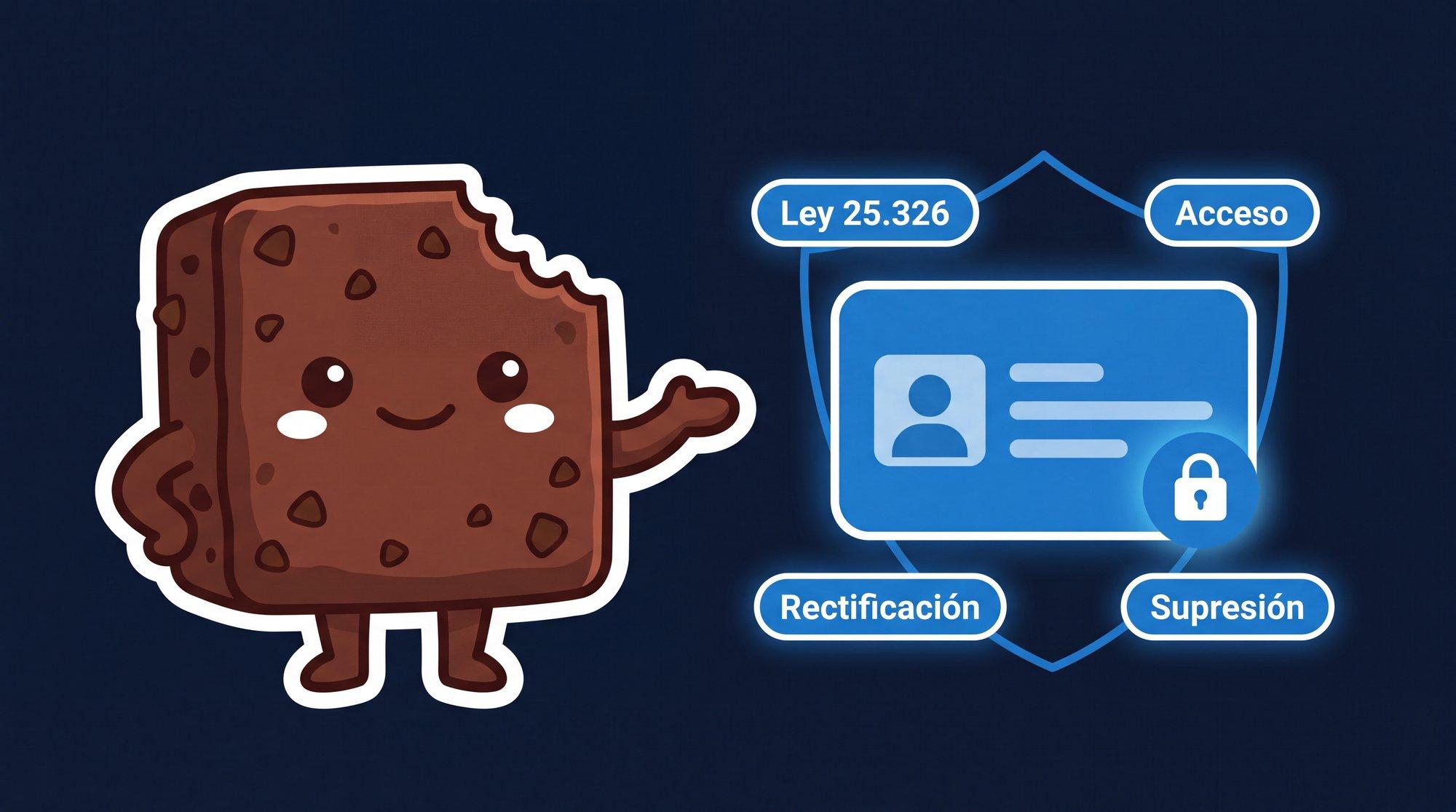
Personal Data Protection Act for Psychologists: What You Have to Know About Law 25.326
Practical guide on Law 25.326 on Protection of Personal Data applied to psychological clinical practice. Sensitive data, obligations, habeas data, penalties and how to comply without complicating you.

Privacy and Security
WhatsApp with patients: limits, risks and good practices
How to use WhatsApp with patients without breaking the frame or confidentiality: clear boundaries, crisis protocol and good practices for psychologists.
Privacy and Security
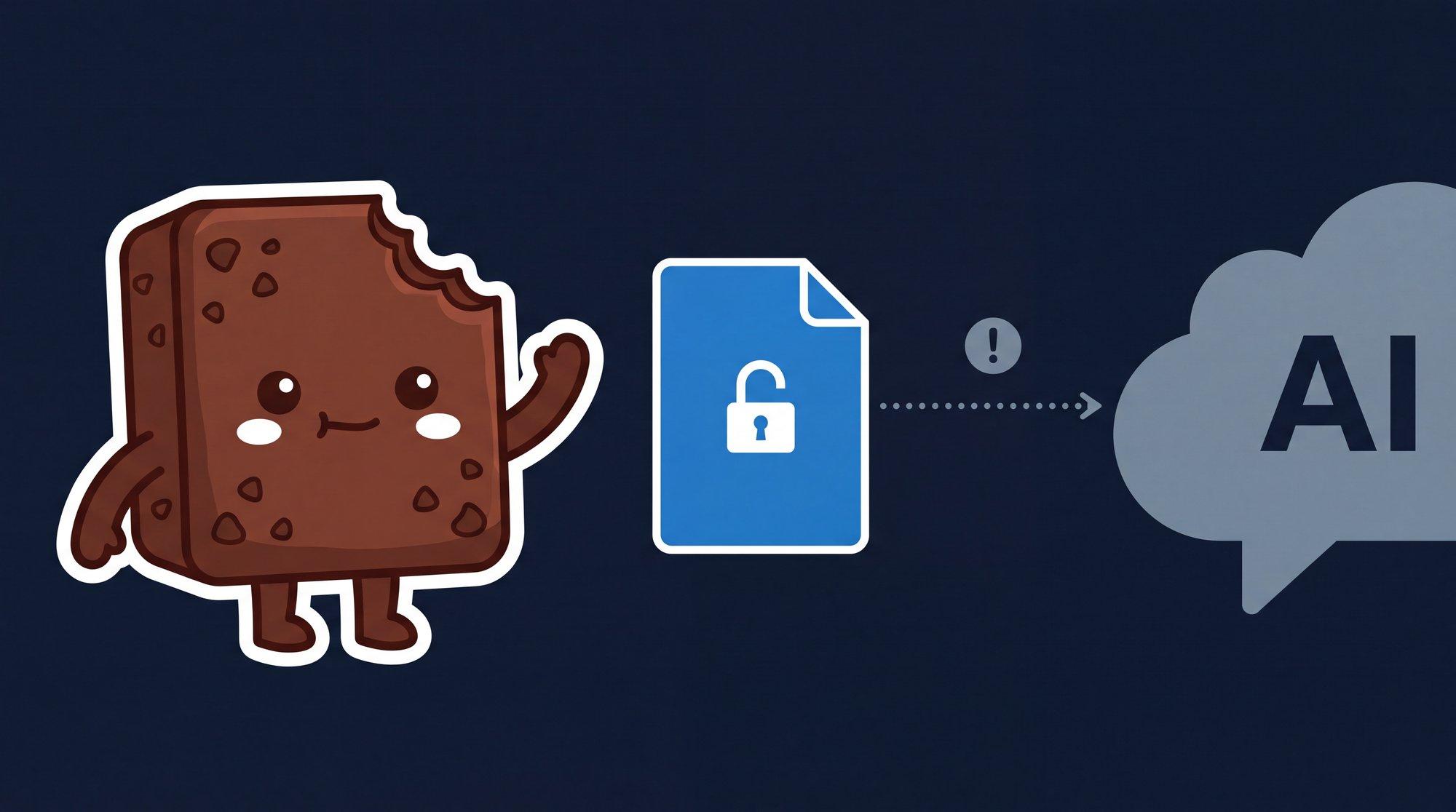
Do you use ChatGPT to write clinical reports? What you need to know about your data
What happens to your patients' data when you use ChatGPT, Gemini, or other generational AIs to write clinical reports or notes. Legal, ethical, and safe alternatives.